

By the CompareCove Editorial Team·Published ·Last updated
Australian Shepherd Pet Insurance: A US Buyer's Guide
Australian Shepherds are intelligent, active, and loyal companions, beloved by many US families. Their energetic nature and specific breed predispositions, however, mean that considering pet insurance is a wise decision. This guide will walk you through how pet insurance works for Australian Shepherds, what conditions to look out for, and how to choose the right policy to protect your furry friend and your finances.
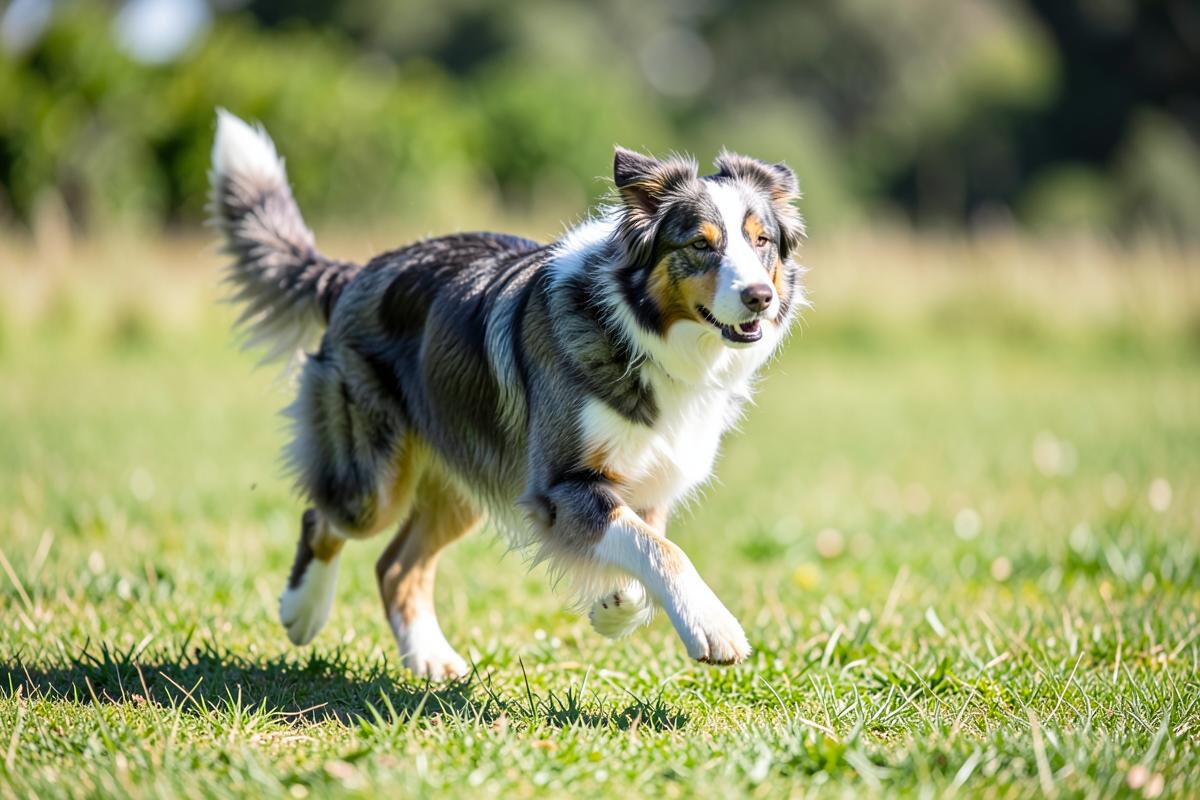
Direct Answer: Pet Insurance for Australian Shepherds
Yes, you can absolutely get pet insurance for your Australian Shepherd in the US. Most pet insurance providers offer accident and illness plans that cover a wide range of conditions, including many common to the breed. Premiums for Australian Shepherds typically fall within the range of $40 to $90 per month for a comprehensive accident and illness plan, depending on factors like age, location, and chosen deductible/reimbursement levels. Many policies will cover hereditary and congenital conditions, which is crucial for Aussies. Always review the policy details, particularly regarding waiting periods and specific exclusions, before enrolling. Early enrollment is key to maximizing coverage for potential future conditions.
Common Health Concerns in Australian Shepherds
Australian Shepherds are generally robust dogs, but like all breeds, they have predispositions to certain health issues. Understanding these can help you choose the right pet insurance plan. Hip and elbow dysplasia are joint conditions where the joints don't form correctly, leading to arthritis and pain. Epilepsy, a neurological disorder causing seizures, can appear at any age. Collie Eye Anomaly (CEA) is an inherited eye condition that can range from mild vision impairment to blindness. Cataracts, which cause clouding of the eye lens, are also seen in the breed. MDR1 gene sensitivity can cause adverse reactions to certain common medications. High activity levels also put them at higher risk for injuries like cruciate ligament tears. Always consult your veterinarian for any health concerns.
Understanding Hereditary and Congenital Coverage
Hereditary conditions are genetic diseases passed down through a dog's lineage, while congenital conditions are present from birth, though they may not show symptoms until later. For Australian Shepherds, conditions like hip and elbow dysplasia, epilepsy, Collie Eye Anomaly, and some forms of cataracts are often hereditary. Most comprehensive accident and illness pet insurance plans in the US *do* cover hereditary and congenital conditions, provided they are not pre-existing. This is a critical feature for Australian Shepherd owners. You should specifically look for wording in the policy documentation that states coverage for 'hereditary conditions' and 'congenital conditions.' Some policies may have age limits for diagnosis or additional waiting periods for orthopedic conditions, so review these carefully.
Coverage for Active Dogs: Cruciate Ligament Injuries
Australian Shepherds are highly energetic and athletic, making them prone to injuries, especially those affecting their joints and ligaments. Cruciate ligament tears are a common orthopedic injury in active dogs, often requiring costly surgical repair and rehabilitation. Pet insurance plans typically cover these injuries under accident or illness benefits, as long as the condition is not pre-existing and occurred after all waiting periods have passed. Some policies may have specific waiting periods for orthopedic conditions, such as 6 months for cruciate ligament issues, while others might be shorter. Check your policy's terms and conditions for orthopedic coverage details and any specific waiting periods associated with them. The cost of cruciate surgery can easily run into thousands of dollars, making insurance coverage very valuable.
MDR1 Gene Sensitivity and Pet Insurance
MDR1 (Multi-Drug Resistance 1) gene sensitivity is a genetic mutation common in herding breeds like Australian Shepherds. Dogs with this mutation can have severe adverse reactions to certain common medications, including some anti-parasitics, chemotherapy drugs, and sedatives, because their bodies cannot properly metabolize and eliminate them. If your Australian Shepherd has a diagnosed MDR1 sensitivity, pet insurance will typically cover the costs associated with treating an adverse drug reaction, provided the sensitivity diagnosis and the reaction itself occur after your policy's waiting periods have been fulfilled. It is not usually an exclusion. The cost of a diagnostic test for MDR1 sensitivity itself may or may not be covered; some wellness plans might include it, but standard accident and illness plans usually do not cover routine genetic testing. Always discuss drug sensitivities with your veterinarian.
What You Can Expect to Pay: Premium Ranges
Pet insurance premiums for an Australian Shepherd in the US vary significantly based on several factors. For a young, healthy Aussie puppy (under 1 year old), you might expect to pay approximately $40-$60 per month for a comprehensive accident and illness plan. As your Australian Shepherd ages, premiums will generally increase. A 5-year-old Aussie might see premiums in the $55-$75 range, while a senior dog (8+ years old) could cost $70-$90+ per month. Location (e.g., higher vet costs in urban areas), your chosen deductible ($250, $500, $1,000), reimbursement level (70%, 80%, 90%), and annual payout limit ($5,000, $10,000, unlimited) all play a role. Shopping around and comparing quotes from multiple providers on CompareCove.com is the best way to find a plan that fits your budget and needs.
Choosing the Right Policy: A Buyer's Checklist
When comparing pet insurance for your Australian Shepherd, use this checklist. First, confirm the policy covers hereditary and congenital conditions with no additional limits or exclusions for common Aussie issues like hip dysplasia or epilepsy. Second, check the waiting periods – especially for orthopedic conditions like cruciate ligament tears. Shorter waiting periods are generally better. Third, compare deductibles, reimbursement percentages, and annual limits to find a balance between premium cost and financial protection. Fourth, review any specific exclusions; some plans might exclude behavioral issues, for example. Fifth, look for an 'unlimited' annual payout option if you want the highest level of protection. Finally, understand the claims process and ensure the provider has a good reputation for customer service and claims handling. Read sample policies if available.
What to remember
- • Most pet insurance plans cover hereditary and congenital conditions, essential for Australian Shepherds.
- • Premiums for Australian Shepherds typically range from $40-$90/month for accident and illness plans.
- • Look for coverage for conditions like hip dysplasia, epilepsy, and cruciate ligament injuries.
- • MDR1 sensitivity is generally covered if it results in an adverse reaction post-waiting period.
- • Enroll your Australian Shepherd early to avoid pre-existing condition exclusions.
About the author
The CompareCove Editorial Team researches US pet insurance full time. Every rated carrier is read from its own policy documents and sample quotes, then re-scored each Monday on coverage, cost, waiting periods, payout limits and claims experience. We take no payment for placement, and we tell you when a link earns us a commission.
Keep reading
- German Shepherd Pet Insurance: A Buyer's Guide (2026)
German Shepherd pet insurance can cost $50-$150/month for accident & illness plans. Crucial for hip dysplasia, bloat, and DM, early enrollment helps cover bre
- Beagle Pet Insurance: A Comprehensive Buyer's Guide (2026)
Beagle pet insurance is a smart investment for their health. Policies can range from $30-$70/month for accident and illness, covering common breed issues like
- Boxer Pet Insurance: A Comprehensive Buyer's Guide
Considering pet insurance for your Boxer? Understand typical costs, common health issues like cancer and bloat, and how coverage works. Get practical advice o
- Chihuahua Pet Insurance: A Smart Buyer's Guide for 2026
Chihuahua pet insurance is a smart investment. Learn about common health issues like luxating patellas, dental disease, and tracheal collapse, typical costs,