

By the CompareCove Editorial Team·Published ·Last updated
German Shepherd Pet Insurance: A Buyer's Guide (2026)
As devoted German Shepherd owners know, these intelligent, loyal, and energetic dogs are truly part of the family. However, like many purebreds, German Shepherds are prone to certain health conditions that can lead to significant veterinary expenses. This makes understanding pet insurance not just helpful, but often essential for managing their care throughout their lives. When searching for "German Shepherd pet insurance," you're looking for peace of mind and financial protection. This guide will walk you through everything you need to know to make an informed decision for your beloved companion in 2026.
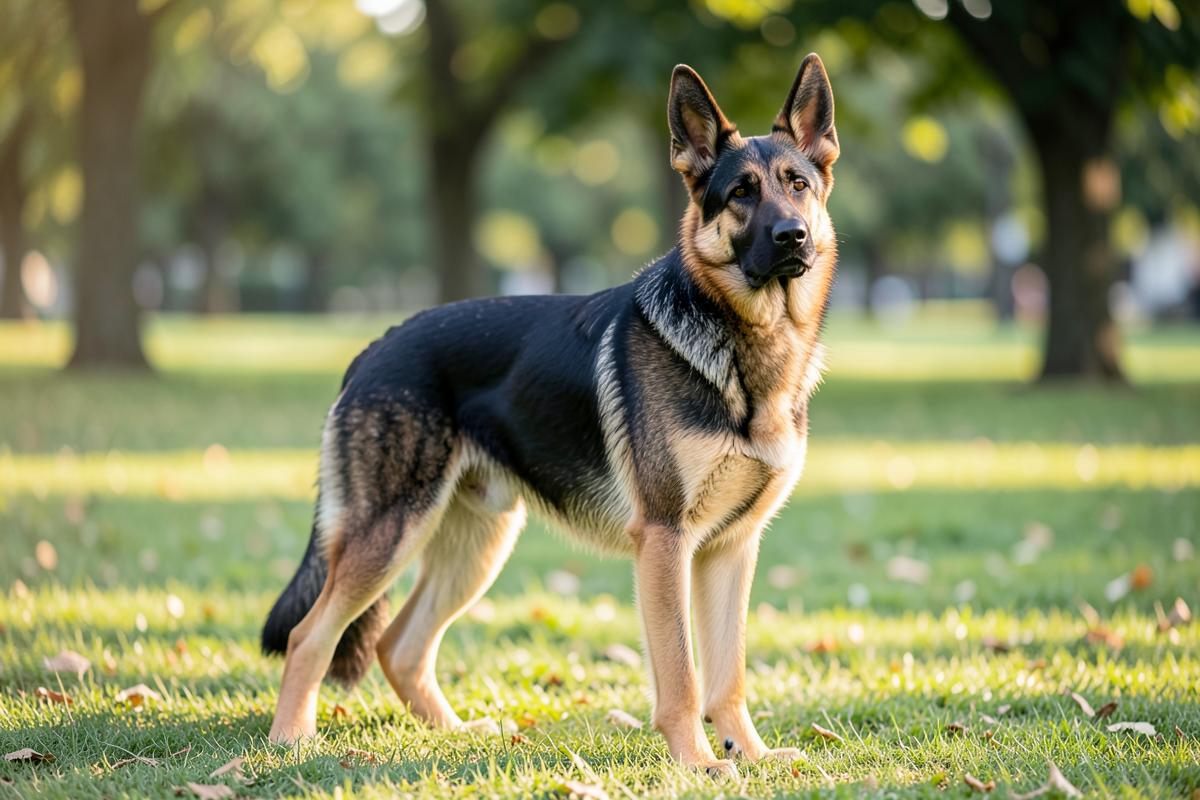
German Shepherd Pet Insurance: The Direct Answer
For a German Shepherd, you should budget approximately **$50 to $150 per month** for a comprehensive accident and illness pet insurance policy, depending on factors like your dog's age, your chosen deductible, reimbursement percentage, and annual limit, as well as your location. This type of policy is highly recommended as it covers the common and often expensive breed-specific conditions German Shepherds face. Older dogs and those in areas with higher veterinary costs will typically fall on the higher end of this range. While accident-only plans are cheaper (around $20-$40/month), they won't cover illnesses like hip dysplasia or degenerative myelopathy. Wellness plans, which can be added for an extra $20-$50/month, cover routine care but don't address unexpected major illnesses. Our focus here will be on comprehensive accident and illness policies, as these offer the most robust protection for German Shepherds against their most concerning health risks.
Hip and Elbow Dysplasia: A Primary Concern and Insurance Impact
Hip and elbow dysplasia are unfortunately common orthopedic conditions in German Shepherds, affecting their joints and often requiring extensive, costly treatment. The cost for surgical intervention for **hip dysplasia can range from $3,500 to $7,000 per hip**, while **elbow dysplasia surgery can be $2,000 to $4,000 per elbow**. These figures often don't include rehabilitation or lifelong pain management. Pet insurance is invaluable here, but with a critical caveat: **coverage for these conditions is almost always excluded if there's any mention of symptoms or diagnosis in your dog's veterinary records before your policy's waiting period expires.** This is why enrolling your German Shepherd puppy *before* their first vet visit notes any joint laxity or signs of lameness is incredibly important. Most policies have orthopedic waiting periods of 6 to 12 months. If your dog is diagnosed during this period, or if pre-existing conditions are noted, that specific condition will not be covered.
Degenerative Myelopathy (DM): Understanding the Genetic Risk
Degenerative Myelopathy (DM) is a progressive neurological disease that affects the spinal cord, leading to hind limb weakness and paralysis in German Shepherds, usually in their senior years. While there is no cure, managing the condition through physical therapy, mobility aids, and supportive care can be expensive. **Ongoing physical therapy can cost $50-$150 per session**, and mobility equipment like wheelchairs can be several hundred dollars. Since DM often manifests later in life, enrolling your German Shepherd in pet insurance when they are young and healthy is crucial. Most accident and illness policies will cover the diagnostic tests, specialist consultations, and ongoing care for DM, provided the condition is not considered pre-existing. Genetic testing for DM can identify dogs at risk, but a positive test result alone does not usually trigger a pre-existing condition exclusion unless clinical signs are present or noted by a vet before coverage begins.
Bloat (GDV) – A Life-Threatening Emergency
Gastric Dilatation-Volvulus (GDV), commonly known as bloat, is a sudden, life-threatening condition where the stomach twists and fills with gas. German Shepherds are particularly susceptible due to their deep chests. Bloat is a true veterinary emergency requiring immediate surgery, which can **cost anywhere from $3,000 to $7,000, or even more** depending on complications and hospital stay duration. Without timely intervention, it's often fatal. Pet insurance typically covers emergency treatment for bloat, including surgery and post-operative care, provided it's not a pre-existing condition and occurs after your policy's waiting periods have passed. Some owners opt for a preventative surgery called gastropexy (stomach tacking), often done concurrently with spay/neuter. While the gastropexy itself may not be covered by insurance if performed electively, some policies might cover it if done during an emergency GDV surgery.
Exocrine Pancreatic Insufficiency (EPI): Managing a Chronic Condition
Exocrine Pancreatic Insufficiency (EPI) is another condition more prevalent in German Shepherds, where the pancreas fails to produce sufficient digestive enzymes. This leads to maldigestion, weight loss, and chronic diarrhea. While not usually life-threatening, EPI requires lifelong management with enzyme supplements, which can be a significant ongoing expense. **Enzyme supplements can cost $50 to $200 per month**, depending on the brand and dosage. Regular veterinary check-ups and diagnostic tests are also necessary to monitor the condition. A comprehensive pet insurance policy will typically cover the diagnosis, prescription enzyme supplements, and veterinary care for EPI, as long as the condition is not pre-existing. As with other conditions, securing coverage when your German Shepherd is young and healthy helps ensure that future chronic conditions like EPI will be covered if they develop.
Orthopedic Waiting Periods and Exam Waivers: What to Know
For German Shepherds, orthopedic waiting periods are a critical policy feature to understand. Most pet insurance providers have a specific, longer waiting period for orthopedic conditions, typically ranging from **6 to 12 months**, compared to shorter waiting periods (2-14 days) for accidents and other illnesses. This means that if your dog shows any signs of hip or elbow dysplasia, or other orthopedic issues, during this longer waiting period, those conditions will be excluded from coverage. Some carriers offer an **"orthopedic waiting period waiver"** if a vet performs a specific orthopedic exam (often including X-rays) *after* your policy is active but *before* the orthopedic waiting period ends, and the dog is found to be free of orthopedic issues. Check your specific policy documents carefully, as these waivers vary widely or may not be available from all providers. This is another strong argument for insuring a German Shepherd puppy as early as possible.
The Critical Importance of Early Enrollment and Vet Records
Enrolling your German Shepherd in pet insurance when they are a young puppy is arguably the most impactful decision you can make regarding future coverage. The reason is simple: **pre-existing conditions**. Pet insurance policies will not cover conditions that your dog had before the policy started or before the waiting periods ended. This is particularly relevant for hip and elbow dysplasia. If your German Shepherd's veterinary records contain *any* notation of lameness, joint laxity, stiffness, or even suspicion of a joint condition before your policy's waiting period has passed, future treatment for that condition will likely be excluded. Even a seemingly minor note from a puppy check-up can be problematic. Getting coverage in place *before* those first few vet visits where such notes might appear offers the best chance for coverage for these common, expensive breed-specific issues later in life. Always review your policy's terms regarding pre-existing conditions and waiting periods meticulously.
Comparing Policies for Your German Shepherd
When comparing pet insurance policies for your German Shepherd, look beyond just the monthly premium. Pay close attention to: **Deductibles** (how much you pay before coverage starts, usually $100-$1,000); **Reimbursement Percentages** (the portion of covered vet bills the insurer pays, typically 70%, 80%, or 90%); and **Annual Limits** (the maximum payout per year, ranging from $5,000 to unlimited). For a breed with high-cost potential issues like German Shepherds, a higher reimbursement percentage (e.g., 80-90%) and a higher annual limit (e.g., $10,000+) are generally recommended, even if they mean a slightly higher monthly premium. Carefully compare these options across different providers. Also, review sample policies to understand specific exclusions, like bilateral conditions (if one hip is pre-existing, the other might be too) or specific breed-related exclusions, though these are rare for core conditions like dysplasia or DM. Utilize CompareCove's tools to easily get quotes and compare policy structures side-by-side to find the best fit for your budget and your German Shepherd's needs.
What to remember
- • Expect to pay $50-$150/month for comprehensive accident & illness pet insurance for your German Shepherd.
- • Enroll your German Shepherd puppy in insurance *before* their first vet visit notes any potential joint issues to maximize hip/elbow dysplasia coverage.
- • Be aware of long orthopedic waiting periods (6-12 months); some policies offer waivers under specific conditions.
- • Pet insurance can significantly reduce the financial burden of conditions like bloat ($3,000-$7,000), hip dysplasia ($3,500-$7,000 per hip), and ongoing care for DM or EPI.
- • When comparing policies, prioritize high reimbursement percentages (80-90%) and generous annual limits ($10,000+) for your German Shepherd's long-term health.
About the author
The CompareCove Editorial Team researches US pet insurance full time. Every rated carrier is read from its own policy documents and sample quotes, then re-scored each Monday on coverage, cost, waiting periods, payout limits and claims experience. We take no payment for placement, and we tell you when a link earns us a commission.
Keep reading
- Australian Shepherd Pet Insurance: A US Buyer's Guide
Australian Shepherd pet insurance typically ranges from $40-$90/month for accident & illness. This guide covers common health issues like hip dysplasia and ep
- Beagle Pet Insurance: A Comprehensive Buyer's Guide (2026)
Beagle pet insurance is a smart investment for their health. Policies can range from $30-$70/month for accident and illness, covering common breed issues like
- Boxer Pet Insurance: A Comprehensive Buyer's Guide
Considering pet insurance for your Boxer? Understand typical costs, common health issues like cancer and bloat, and how coverage works. Get practical advice o
- Chihuahua Pet Insurance: A Smart Buyer's Guide for 2026
Chihuahua pet insurance is a smart investment. Learn about common health issues like luxating patellas, dental disease, and tracheal collapse, typical costs,