

By the CompareCove Editorial Team·Published ·Last updated
Does Pet Insurance Cover Cancer Treatment? A Comprehensive Guide
The news that your beloved pet has cancer can be devastating, emotionally and financially. One of the first questions many pet parents ask is, "Does pet insurance cover cancer treatment?" The short answer for most comprehensive policies is: yes, pet insurance typically covers cancer treatment, provided the condition isn't pre-existing and you have the right type of plan. Understanding how your policy works in such a critical situation is key to managing both your pet's health and your budget. This guide breaks down what pet insurance covers for cancer, expected costs, and crucial policy details to help you navigate this challenging time.
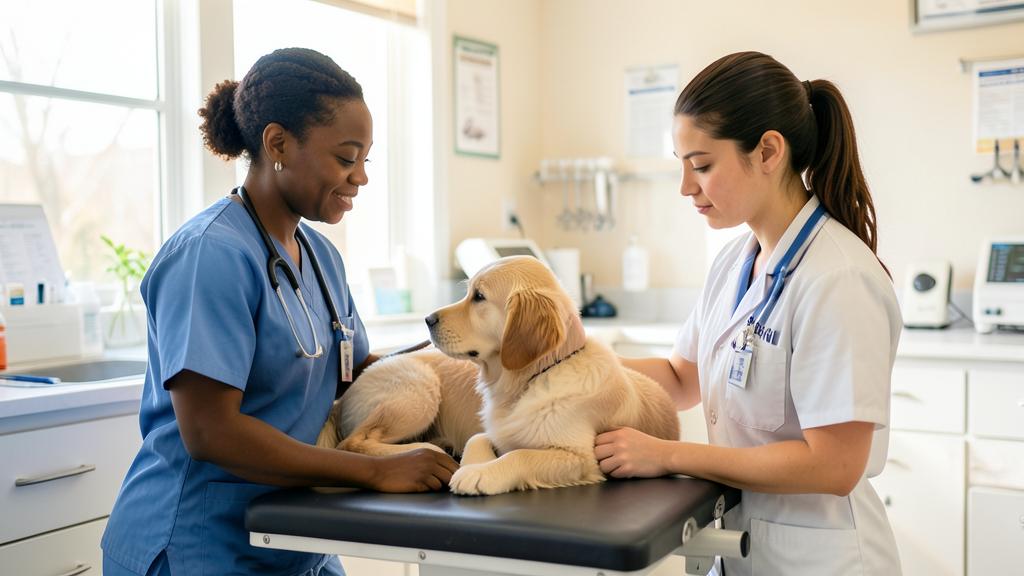
The Direct Answer: Yes, Most Pet Insurance Covers Cancer Treatment
For most pet parents, the good news is that comprehensive pet insurance policies, specifically 'accident-and-illness' plans, generally do cover the costs associated with cancer diagnosis and treatment. This coverage is a cornerstone of why many owners choose pet insurance. Cancer is classified as an 'illness' under these policies, making it eligible for reimbursement. Unlike wellness plans, which cover routine care, accident-and-illness plans are designed for unexpected health issues like cancer. There are specific policy conditions, such as waiting periods and pre-existing conditions, that can impact coverage. These plans aim to alleviate the financial burden of serious conditions. Always refer to your specific policy document for exact terms and limitations. If your pet has a less common 'accident-only' policy, cancer treatment would not be covered as it's an illness.
What 'Cancer Treatment' Really Means for Your Pet
When we talk about cancer treatment, we're referring to a broad spectrum of veterinary services. Pet insurance can help with many of these critical steps. Diagnostics are the initial phase, crucial for identifying the type and stage of cancer. This often includes blood tests, X-rays, ultrasounds, and CT scans. A biopsy, where a tissue sample is taken for analysis, is usually definitive. Once diagnosed, treatment options vary. Surgery to remove tumors is common, ranging from minor excisions to complex procedures. Chemotherapy, using drugs to kill cancer cells, is often administered intravenously or orally. Radiation therapy, using high-energy beams to shrink tumors, is another option. Palliative care focuses on comfort and pain management, improving quality of life for pets with incurable cancer. Your vet will recommend the best course of action for your pet's specific cancer.
Covered Services and Their Real US Dollar Costs
The costs associated with cancer treatment can be substantial. Diagnostics, including bloodwork, X-rays, and ultrasounds, typically range from $300 to $1,500. A CT scan or MRI can cost between $1,500 and $4,000. A biopsy, crucial for diagnosis, generally runs from $400 to $1,500, including pathology. Surgical removal of a tumor can vary widely based on size and location, from $1,000 for a small, superficial mass to over $5,000 for complex internal surgery. Chemotherapy sessions often cost $200-$1,000 per session, with total courses ranging from $1,500 to $6,000 or more. Radiation therapy is very specialized, often costing $5,000-$10,000 for a full course. Palliative care, including pain medication and supportive therapies, can add $100-$500 per month. These figures represent general ranges; actual costs vary significantly by location and veterinary specialty clinic.
Annual Limits and Why 'Unlimited' Matters for Cancer
Pet insurance policies often come with annual limits, which is the maximum amount your insurer will reimburse you in a policy year. These limits can range from $2,500 to $30,000, or some policies offer unlimited coverage. For a condition like cancer, which can involve extensive and expensive treatment over many months, an annual limit can quickly be reached. If your pet's treatment exceeds your annual limit, you become responsible for 100% of the remaining costs for that policy year. This is why many pet parents choose policies with higher annual limits, or ideally, unlimited annual coverage, especially if cancer is a concern. Unlimited coverage means there's no cap on how much the insurance company will reimburse for covered conditions in a year. Given the high potential costs of cancer treatment, unlimited coverage provides the most financial protection.
Pre-Existing Conditions: The 'Lump Before Enrollment' Rule
A critical policy mechanic to understand for cancer coverage is the 'pre-existing condition' clause. This means that if your pet showed signs or symptoms of cancer, or was diagnosed with it, before your insurance policy's effective date or during its waiting period, that specific cancer would be considered pre-existing and likely not be covered. For example, if you noticed a lump on your dog before you enrolled in a pet insurance plan, even if it wasn't diagnosed as cancerous until after enrollment, the insurer would likely deny coverage for that specific cancer. This rule applies to any illness. Most insurers define a pre-existing condition as one that occurred or showed symptoms before coverage began or during the waiting period, even if undiagnosed. It's crucial to enroll your pet when they are young and healthy to avoid future conditions being deemed pre-existing.
Understanding Waiting Periods for Illness Coverage
Every pet insurance policy includes waiting periods, which are specific lengths of time you must wait after enrolling before certain coverages become active. For illnesses, including cancer, waiting periods typically range from 14 to 30 days. This means that if your pet is diagnosed with cancer during this waiting period, or shows symptoms of it, the condition will likely be considered pre-existing and not covered. Accident waiting periods are usually much shorter, often just 2-5 days. Orthopedic conditions, like cruciate ligament tears, often have longer waiting periods, sometimes 6 months or more. It's essential to check your policy's specific waiting periods. You cannot purchase pet insurance today and expect coverage for an illness diagnosed tomorrow. Planning ahead by enrolling your pet while they are healthy is the best strategy to ensure coverage when unexpected illnesses like cancer arise.
Worked Example: A $9,000 Cancer Treatment Payout
Let's walk through a typical scenario. Imagine your dog is diagnosed with lymphoma, and the total cost of diagnostics, chemotherapy, and supportive care is $9,000. Your pet insurance policy has a $250 annual deductible, an 80% reimbursement level, and a $10,000 annual limit. First, you pay the $9,000 bill at the vet clinic. Next, you submit the claim to your insurer. The insurer applies your deductible first: $9,000 - $250 = $8,750. Then, your 80% reimbursement level is applied to the remaining amount: 80% of $8,750 = $7,000. The insurance company would reimburse you $7,000. Your out-of-pocket costs would be your $250 deductible plus the 20% co-insurance ($1,750), totaling $2,000. In this example, your policy's $10,000 annual limit was sufficient to cover the treatment. Had the costs been, say, $12,000, and your limit was $10,000, you would have paid the remaining $2,000 out-of-pocket after hitting the limit, in addition to your deductible and co-insurance.
What to remember
- • Most comprehensive pet insurance plans (accident-and-illness) cover cancer diagnosis and treatment.
- • Cancer treatment costs can range from hundreds to over $10,000 for diagnostics, surgery, chemo, and radiation.
- • Pre-existing conditions, meaning signs or diagnoses before enrollment or during waiting periods, are generally not covered.
- • Illness waiting periods (14-30 days) must be completed before cancer treatment is eligible for coverage.
- • Policies with unlimited annual coverage offer the best financial protection against high cancer treatment costs.
About the author
The CompareCove Editorial Team researches US pet insurance full time. Every rated carrier is read from its own policy documents and sample quotes, then re-scored each Monday on coverage, cost, waiting periods, payout limits and claims experience. We take no payment for placement, and we tell you when a link earns us a commission.
Keep reading
- What Does Pet Insurance Cover? Your Comprehensive Guide
Pet insurance primarily covers unexpected veterinary costs for accidents and illnesses. Learn about covered conditions, exclusions, policy mechanics, and how
- Cat Urinary Blockage Treatment Cost: A US Pet Owner's Guide
Cat urinary blockage treatment can cost $1,000 to over $6,000 for emergency care. Learn about costs for catheterization, hospitalization, surgery, and how pet
- Does Pet Insurance Cover Dental Care? What US Owners Need to Know
Yes, many pet insurance plans can cover dental illness and accidents. Learn how dental coverage works, including routine care, extractions, and common
- Does Pet Insurance Cover Surgery? Your Comprehensive Guide
Yes, most pet insurance plans cover surgery when it's medically necessary due to accidents or illnesses. Learn which surgeries are covered and common