

By the CompareCove Editorial Team·Published ·Last updated
What Does Pet Insurance Cover? Your Comprehensive Guide
Understanding what pet insurance covers is crucial for any US pet owner considering a policy. While the specifics can vary between providers, pet insurance is generally designed to help you manage the financial burden of unexpected veterinary care due to accidents and illnesses. This guide will walk you through the core coverage areas, common exclusions, and how your policy choices directly impact what you get back when your pet needs care.
The Core: What Pet Insurance Typically Covers
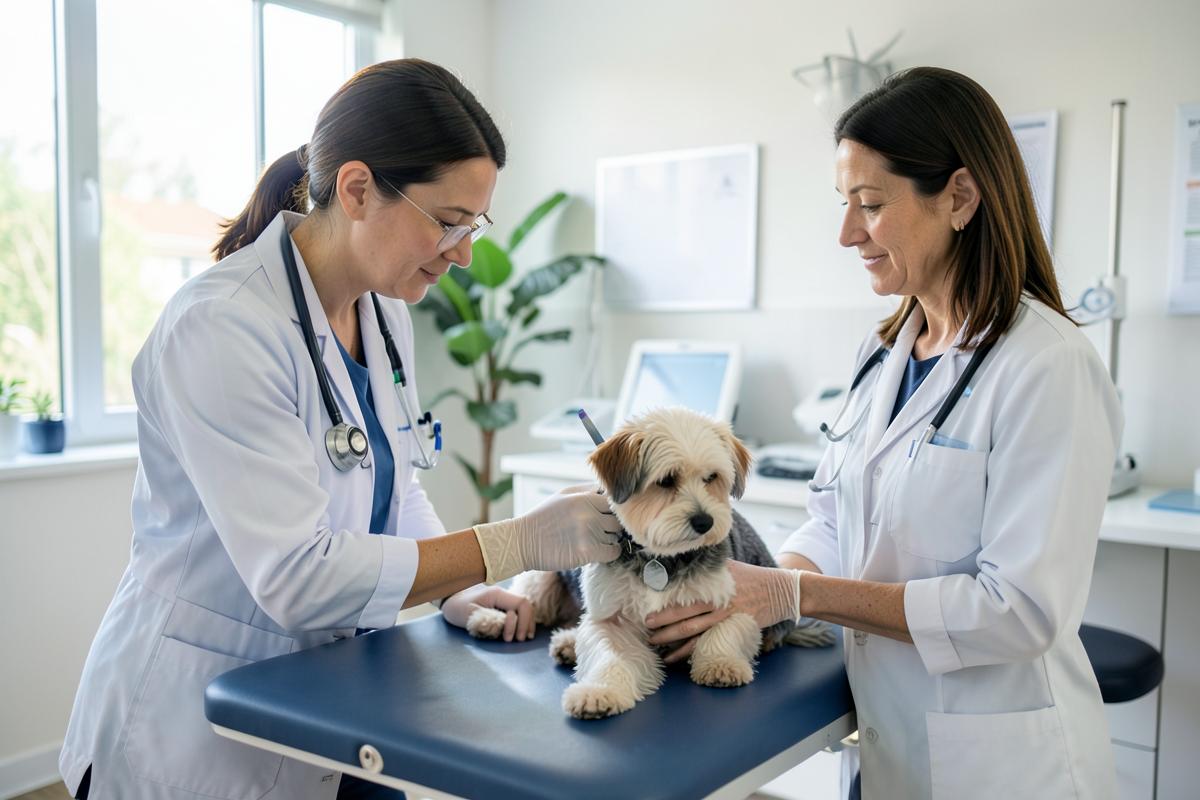
At its heart, pet insurance covers unforeseen veterinary expenses. This means if your pet has an accident or develops an illness, your policy is designed to help with the costs. This includes diagnostics like X-rays, blood tests, and MRIs, as well as treatments such as medications, surgeries, and hospitalizations. Policies typically cover care provided by licensed veterinarians across the US, including emergency clinics and specialists. The goal is to ensure you can make healthcare decisions based on your pet's needs, not solely on your wallet. However, it's vital to remember that pet insurance is not a savings account for all veterinary expenses; it focuses on the unexpected.
Accidents vs. Illnesses: Understanding the Distinction
Most comprehensive pet insurance plans clearly distinguish between accidents and illnesses, covering both. **Accidents** are sudden, unexpected events resulting in injury. This could range from a broken bone after a fall, ingesting a foreign object requiring emergency surgery, or getting hit by a car. **Illnesses** are conditions that develop over time or have an internal cause, such as infections, allergies, cancer, diabetes, or kidney disease. Some pet owners opt for 'Accident-Only' plans, which are typically less expensive but, as the name suggests, will not cover any costs related to illnesses. For broader protection against a wider array of veterinary concerns, an 'Accident & Illness' plan is generally recommended.
Key Covered Treatments: From Diagnostics to Surgery
When an accident or illness strikes, a comprehensive pet insurance policy typically covers a wide array of necessary treatments. This often includes **diagnostic tests** like blood work, urinalysis, X-rays, ultrasounds, CT scans, and MRIs to determine the problem. If surgery is required, the costs of the **surgical procedure** itself, anesthesia, and post-operative care are generally covered. **Prescription medications** for covered conditions, whether for short-term relief or long-term management, are also commonly included. Furthermore, policies usually extend to **emergency and specialist care**, ensuring that if your pet needs an urgent visit to an animal ER or consultation with a veterinary dermatologist, cardiologist, or oncologist, a significant portion of those costs can be reimbursed.
Understanding Exclusions: What's Generally NOT Covered
Just as important as knowing what's covered is understanding what isn't. The most significant exclusion across almost all pet insurance policies is **pre-existing conditions**. A condition is considered pre-existing if it showed symptoms or was diagnosed before your policy's waiting periods ended. Another common exclusion is **routine or wellness care**, which includes things like annual exams, vaccinations, flea/tick prevention, and spaying/neutering. Some providers offer optional 'wellness add-ons' for these services. **Elective procedures** (e.g., tail docking for cosmetic reasons), **cosmetic procedures** (e.g., ear cropping), and **breeding-related costs** (e.g., whelping, artificial insemination) are almost universally excluded. It's crucial to review your specific policy's terms and conditions for a complete list of exclusions, as these can vary.
Hereditary, Congenital, and Chronic Conditions
Many pet owners worry about conditions common to their pet's breed. Most comprehensive Accident & Illness policies *do* cover **hereditary and congenital conditions** as long as they are not pre-existing at the time of enrollment or during the waiting period. Hereditary conditions are genetically passed down (e.g., hip dysplasia in large dogs), while congenital conditions are present from birth (e.g., heart defects). **Chronic conditions**, which require ongoing management like diabetes or arthritis, are also typically covered for the lifetime of the pet, provided they were not pre-existing. This coverage is a major benefit of pet insurance, offering financial relief for long-term treatments and medications that can accumulate significantly over time. Always verify with your chosen provider how they handle specific breed-related or long-term conditions.
Policy Mechanics: Deductibles, Reimbursement, and Annual Limits
Three key policy mechanics shape your pet insurance payouts: the **deductible**, **reimbursement percentage**, and **annual limit**. The **deductible** is the amount you pay out-of-pocket each policy year before your insurance starts reimbursing you. Deductibles can range from $100 to $1,000 or more annually. Once you meet your deductible, your **reimbursement percentage** kicks in. This is the portion of the covered vet bill that your insurance company will pay, typically ranging from 70% to 90%. You pay the remaining percentage. Finally, the **annual limit** is the maximum amount your policy will reimburse you in a single policy year, often ranging from $2,500 to unlimited. You choose these parameters when you enroll, and they directly influence your premium and your out-of-pocket costs.
Sample Payout: How a $2,800 Claim Works
Let's illustrate a payout. Imagine your pet has an unexpected illness, leading to a vet bill of $2,800. Your policy has a $500 annual deductible, an 80% reimbursement percentage, and a $10,000 annual limit. 1. **Vet Bill Total:** $2,800 2. **Deductible Applied:** You first pay your $500 deductible out of the $2,800 bill. The remaining eligible amount is $2,800 - $500 = $2,300. 3. **Reimbursement Calculation:** The insurance company then calculates 80% of the remaining eligible amount: 80% of $2,300 = $1,840. 4. **Your Out-of-Pocket Cost:** You pay the initial $500 deductible plus the 20% co-insurance on the remaining bill ($2,300 * 20% = $460). Total out-of-pocket: $500 + $460 = $960. 5. **Insurance Payout:** Your insurance company sends you a reimbursement check for $1,840. This payout is well within your $10,000 annual limit, leaving $8,160 available for any further covered claims that policy year. This example demonstrates how selecting your deductible and reimbursement percentage directly impacts your financial responsibility for a claim.
What to remember
- • Pet insurance primarily covers unexpected veterinary costs for accidents and illnesses, including diagnostics, surgeries, and prescriptions.
- • Pre-existing conditions, routine/wellness care (unless added on), and cosmetic/breeding procedures are generally not covered.
- • Most comprehensive plans cover hereditary, congenital, and chronic conditions if they are not pre-existing.
- • Your deductible, reimbursement percentage, and annual limit determine your premium and how much you're reimbursed for claims.
- • Always review your specific policy documents from your chosen provider to understand exact coverage and exclusions.
About the author
The CompareCove Editorial Team researches US pet insurance full time. Every rated carrier is read from its own policy documents and sample quotes, then re-scored each Monday on coverage, cost, waiting periods, payout limits and claims experience. We take no payment for placement, and we tell you when a link earns us a commission.
Keep reading
- Does Pet Insurance Cover Cancer Treatment? A Comprehensive Guide
Yes, pet insurance typically covers cancer treatment. Accident-and-illness plans can help with diagnostics, surgery, chemo, and radiation, but pre-existing co
- Does Pet Insurance Cover Dental Care? What US Owners Need to Know
Yes, many pet insurance plans can cover dental illness and accidents. Learn how dental coverage works, including routine care, extractions, and common
- Does Pet Insurance Cover Surgery? Your Comprehensive Guide
Yes, most pet insurance plans cover surgery when it's medically necessary due to accidents or illnesses. Learn which surgeries are covered and common
- Best Pet Insurance for Senior Dogs: A Buyer's Guide (2026)
The best pet insurance for senior dogs is often the policy you already have. Learn how age limits, pre-existing conditions, and rising premiums impact coverag