

By the CompareCove Editorial Team·Published ·Last updated
Puppy's Paw: Avoiding Pre-Existing Condition Pitfalls
Welcoming a new puppy into your home is an exciting time! You're focused on training, playtime, and all the adorable moments. But amidst the joy, it's vital to think about their future health. Pet insurance can be a lifeline, but understanding how pre-existing conditions work, especially with a young pet, is key to maximizing its benefits. Let's look at an illustration to understand this better.
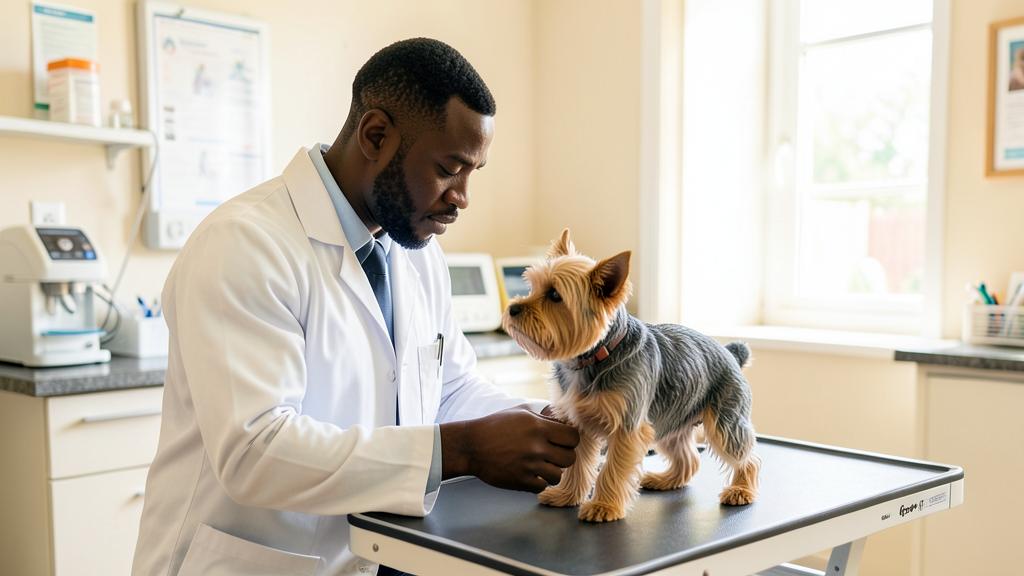
Meet Milo: A Hypothetical Puppy Tale
Sarah adopted Milo, a sweet Labrador puppy, at 8 weeks old. She knew pet insurance was a good idea but decided to wait a few months, thinking a young puppy would be healthy for a while. Milo was playful and seemed perfectly fine. Sarah planned to enroll him once he had his full set of vaccinations and was a bit older, around 6 months. This common decision, while understandable, can sometimes lead to unexpected financial burdens down the line.
The Unexpected Vet Visit
At 5 months old, Milo started limping noticeably after playing. Sarah rushed him to the vet, where an examination and X-rays revealed early signs of elbow dysplasia, a common orthopedic condition in large breeds. The vet recommended a treatment plan, potentially including surgery down the road, estimating costs could range from $2,000 to $6,000 per elbow. This was a significant and unexpected expense for Sarah.
The Pre-Existing Condition Dilemma
Panicked, Sarah immediately looked into pet insurance. She found a great policy with a 14-day waiting period for accidents and illnesses. She enrolled Milo, hoping the policy would cover the upcoming treatments for his elbow. However, because Milo's limp and diagnosis occurred before she enrolled him and before his waiting periods expired, the elbow dysplasia was classified as a pre-existing condition. This meant the insurance policy would not cover any related veterinary costs.
Why Early Enrollment Matters
This illustration highlights a critical aspect of pet insurance: timing. For pet insurance purposes, a pre-existing condition is any illness, injury, or symptom that occurred before your policy's effective date and before the end of your waiting periods. Even if Milo hadn't been formally diagnosed, his limping (a symptom) would likely have been considered a pre-existing condition. Enrolling your puppy as young as possible, ideally before any health concerns arise, helps ensure that conditions like Milo's elbow dysplasia could be covered if they develop later.
What You Can Do
To avoid a situation like Sarah's, consider enrolling your puppy in pet insurance as soon as you bring them home, often around 8 weeks old. Policies typically have short waiting periods for accidents (e.g., 2-5 days) and longer ones for illnesses (e.g., 14 days or more) or orthopedic conditions (e.g., 6 months). Enrolling early means these waiting periods can pass while your puppy is still healthy, providing coverage for future, unforeseen issues. Always compare different plans and understand their specific waiting periods and pre-existing condition definitions.
What to remember
- • Enroll your puppy in pet insurance as early as possible, ideally around 8 weeks old, to minimize the risk of pre-existing condition exclusions.
- • A pre-existing condition is any illness, injury, or symptom that occurs before your policy's start date and prior to the end of any waiting periods.
- • Waiting periods are standard for pet insurance; enrolling early allows these periods to pass before potential health issues arise.
- • Without early enrollment, unexpected conditions like hip or elbow dysplasia diagnosed in young puppies may be excluded from coverage.
About the author
The CompareCove Editorial Team researches US pet insurance full time. Every rated carrier is read from its own policy documents and sample quotes, then re-scored each Monday on coverage, cost, waiting periods, payout limits and claims experience. We take no payment for placement, and we tell you when a link earns us a commission.
Keep reading
- Don't Get Denied: Claim Mistakes Beyond Pre-Existing Conditions
Pet insurance claim denied? It's not always pre-existing conditions. Learn about other common mistakes US pet owners make that lead to denials.
- Pet Insurance and Pre-Existing Conditions: What You Need to Know
Understand how pet insurance handles pre-existing conditions. Learn about curable vs. incurable conditions, lookback periods, and what's covered.
- Insuring Your New Puppy or Kitten: A Step-by-Step Guide
Insuring a new puppy or kitten is crucial for future health. Follow our step-by-step guide to get pet insurance for your young companion in the US, covering…
- Best Pet Insurance for Senior Dogs: A Buyer's Guide (2026)
The best pet insurance for senior dogs is often the policy you already have. Learn how age limits, pre-existing conditions, and rising premiums impact coverag